
Types of Customers and How to Work With Them: Strategies, Examples and Best Practices 2026
People move through digital spaces on autopilot, switching tabs and forming fleeting intentions. In this environment, generic messages fall flat because everyone processes information differently.
To keep people interested and returning, a company needs a clear understanding of customer type classification, behavior patterns, personal motivations, and the emotional signals behind decisions. Real personalization starts here, because it lets a brand speak in a way that matches how people actually think.
In this guide, you’ll learn how to notice these differences, group customers meaningfully, choose the right approach for each type, and understand what truly strengthens the relationship.
What Are Customer Types & Why They Matter
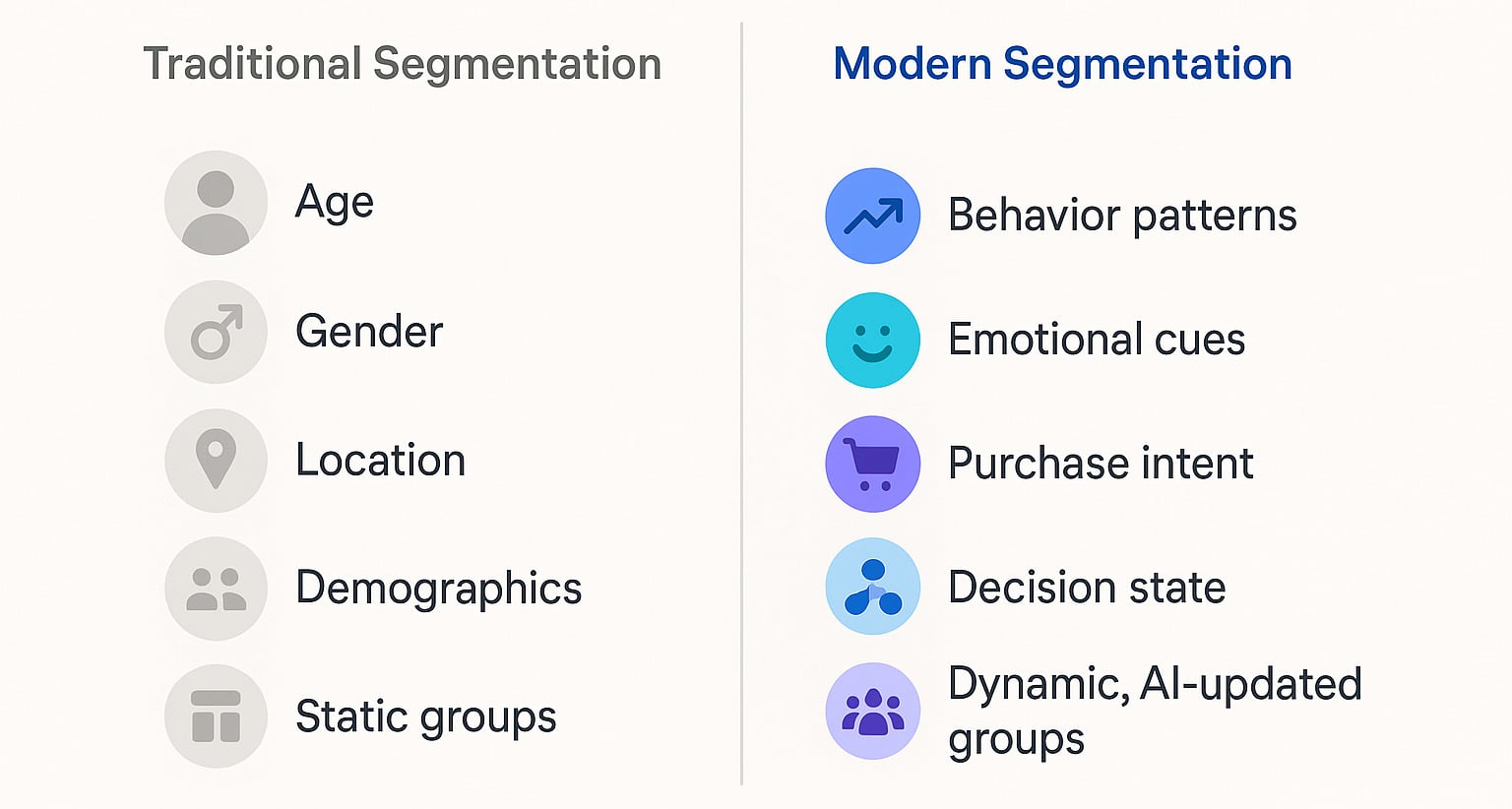
Customer types describe how people move through a buying journey. They show what people notice, how they compare options, and what helps them feel confident taking the next step. Instead of grouping customers by age or location, this approach focuses on behavior, emotional patterns, and the motivations behind real decisions.
Customer type classification turns these insights into a clear framework. It considers where someone is in the customer lifecycle, how their confidence changes, and which communication style works best at each moment. Purchase intent adds another layer, since casual browsing looks very different from decision-stage behavior. When these signals are understood together, segmentation and identification become much more accurate.
A solid understanding of types of customers makes communication precise and relevant. Teams can match tone, timing, and context to each situation, which builds trust, strengthens loyalty, and improves conversion by giving people guidance that fits their current state of mind rather than a one-size-fits-all message.
In 2026, AI-driven customer typology strengthens this process by detecting subtle behavioral micro-patterns, emotional cues, and shifts in intent, updating customer groups dynamically as people move through different decision states.
Main Customer Types You’ll Encounter
These are the main types you’ll see across most markets, and the signs that help you recognize them early.
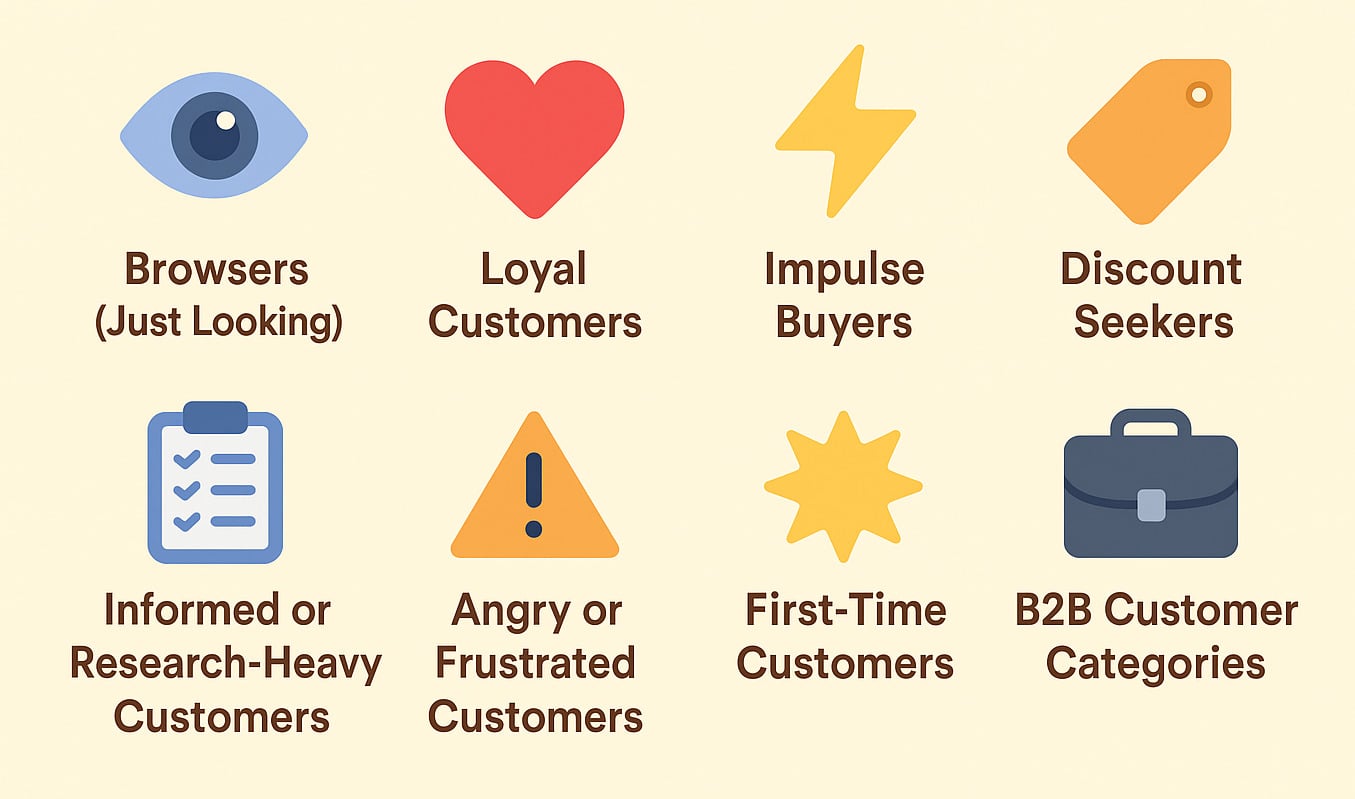
1. Browsers (Just Looking)
Browsers move through pages lightly, exploring without any real commitment. They care about ideas, variety, and visual impressions rather than specifics. You can usually spot them by long viewing sessions, quick jumps between pages, and very few actions that suggest they’re ready to decide.
2. Loyal Customers
Loyal customers return regularly and keep an eye on updates from the brand. They care about trust, familiarity, and a sense of being understood. You’ll recognize them through repeat purchases, steady account activity, and frequent customer feedback that shows they feel connected to the product.
3. Impulse Buyers
Impulse buyers make decisions quickly and react strongly to emotional or visual cues. They care about immediate appeal and the feeling that something fits right now. They’re easy to identify through short visits that lead to fast action, rapid clicks on high-impact elements, and sudden moves toward checkout.
4. Discount Seekers
Discount seekers focus almost entirely on price and constantly compare options. They care about savings, clear value, and finding the best deal available. You’ll see this in repeated visits to pricing pages, heavy use of filters by cost, and multiple attempts to find or test promo codes.
5. Informed or Research-Heavy Customers
This group takes its time, digging into details, reviews, and comparisons before making a decision. They care about accuracy and having enough information to feel confident. They’re easy to recognize through long sessions, multiple deep-dive visits, and behavior similar to self-service customers who prefer guides and documentation over direct contact.
6. Angry or Frustrated Customers
These customers show strong emotions and often arrive with a problem already in mind. They care about clarity, acknowledgment, and quick progress toward a solution. You can identify them through urgent language, repeated mentions of past issues, and communication that feels more direct than usual.
7. First-Time Customers
First-time customers explore cautiously, often pausing to understand basic steps or confirm details. They care about clarity, predictability, and knowing what to expect. They stand out through new-account markers, visits to introductory or FAQ content, and language that signals uncertainty or curiosity.
8. B2B Customer Categories
B2B customers follow more structured decision paths, often involving several people. They care about reliability, long-term alignment, and clear terms. You’ll notice cultural and regional differences more strongly here, along with a heavier reliance on peer input or community validation during evaluation.
- Large Partners – prioritize stability and predictable timelines; respond well to tailored solutions, detailed documentation, and dedicated communication channels.
- Old-School Clients – prefer traditional formats such as phone calls and guided demos; feel confident with clear, step-by-step explanations.
- Individual Entrepreneurs – value speed and simplicity; appreciate straightforward onboarding, concise pricing, and quick decision support.
Modern Customer Types 2026
Customer behavior keeps evolving as digital habits and expectations change. These are the emerging customer types you’re most likely to see in 2026.
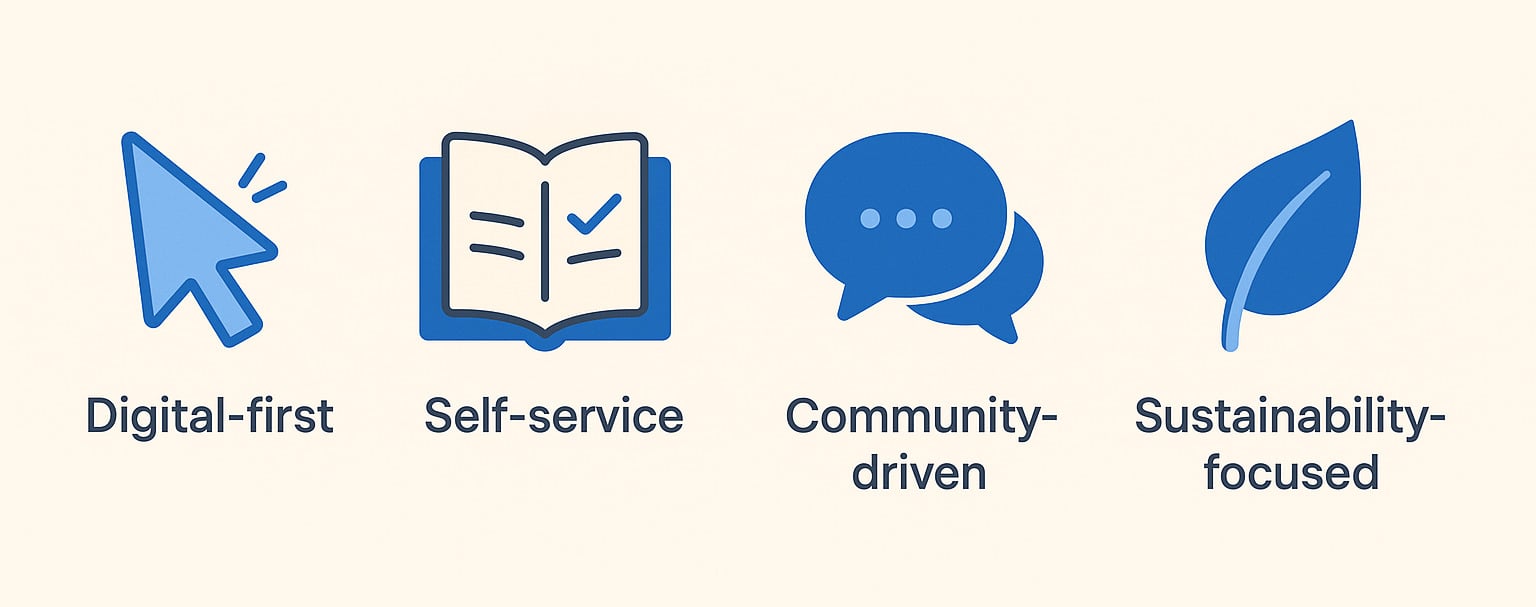
1. Digital-first customers
Digital-first customers rely on online tools for most interactions and expect everything to load quickly and work smoothly. They care about instant access, clear navigation and consistent experiences across channels. You can recognize them by short attention spans, a preference for chat or automated flows, and a tendency to abandon tasks when something feels slow or unclear. Their behavior shifts quickly between research and action, and micro-moments ((brief intent-driven checks such as comparing a detail) often reveal what matters to them.
2. Self-service customers
Self-service customers prefer to move through the buying journey independently. They look for communication that offers clarity and context without requiring human involvement. Detailed documentation, step-by-step guides and searchable resources appeal to them, and you will often see long sessions in knowledge bases and repeat visits to help pages. Their engagement is shaped by confidence level, purchase intent and the quality of available information.
3. Community-driven customers
Community-driven customers rely on collective knowledge and trusted recommendations. They pay close attention to peer reviews, user-generated content and discussions in online groups. Their decisions come from real experiences rather than marketing claims, and you can recognize them through referral traffic, activity from social platforms and patterns that match group-based decision making. Emotional segmentation helps explain their preferences, and sustainability-related topics often influence their choices.
4. Sustainability-focused customers
Sustainability-focused customers make decisions with long-term values in mind. They look for responsible practices, transparent communication and products that align with their ethics. Their attention gravitates toward brands that act consistently with what they claim. You can recognize them through interest in environmental initiatives, careful reading of impact statements, and a preference for options that support broader social or ecological goals.
Tailored Strategies for Each Customer Type
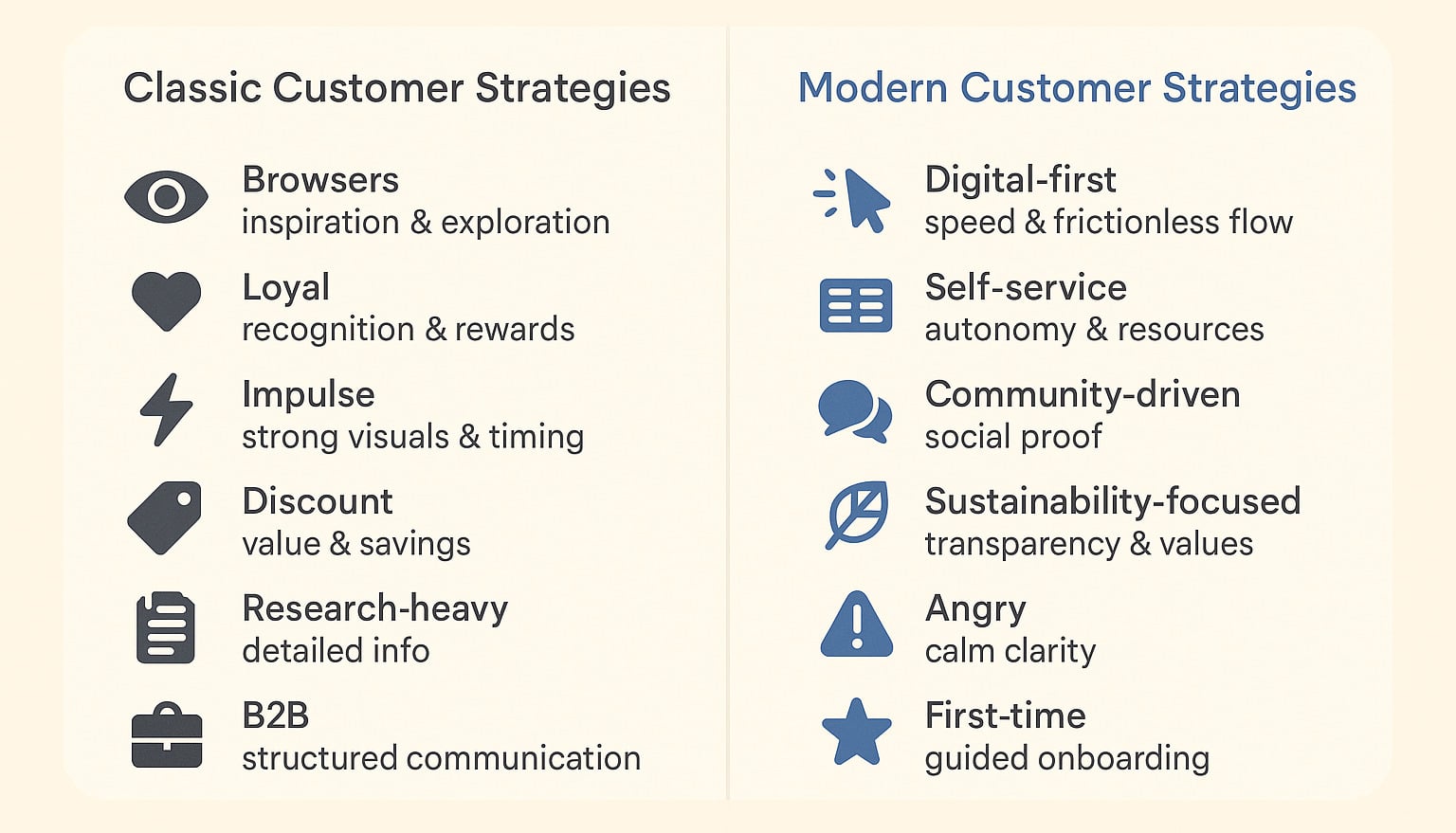
Once a customer type is identified, the next step is choosing the message, format, and moment that match how they move through decisions. Below are strategies for both the classic types you’ll see in most markets and the modern types shaping customer behavior in 2026.
Strategies for Classic Customer Types
Browsers (Just Looking)
Browsers respond to light guidance and ideas rather than pressure. Show them inspiration, curated selections, and soft CTAs that let them explore without committing. Quizzes with visual choices (like style or preference finders) help them figure out what they want while staying in an exploratory mindset.
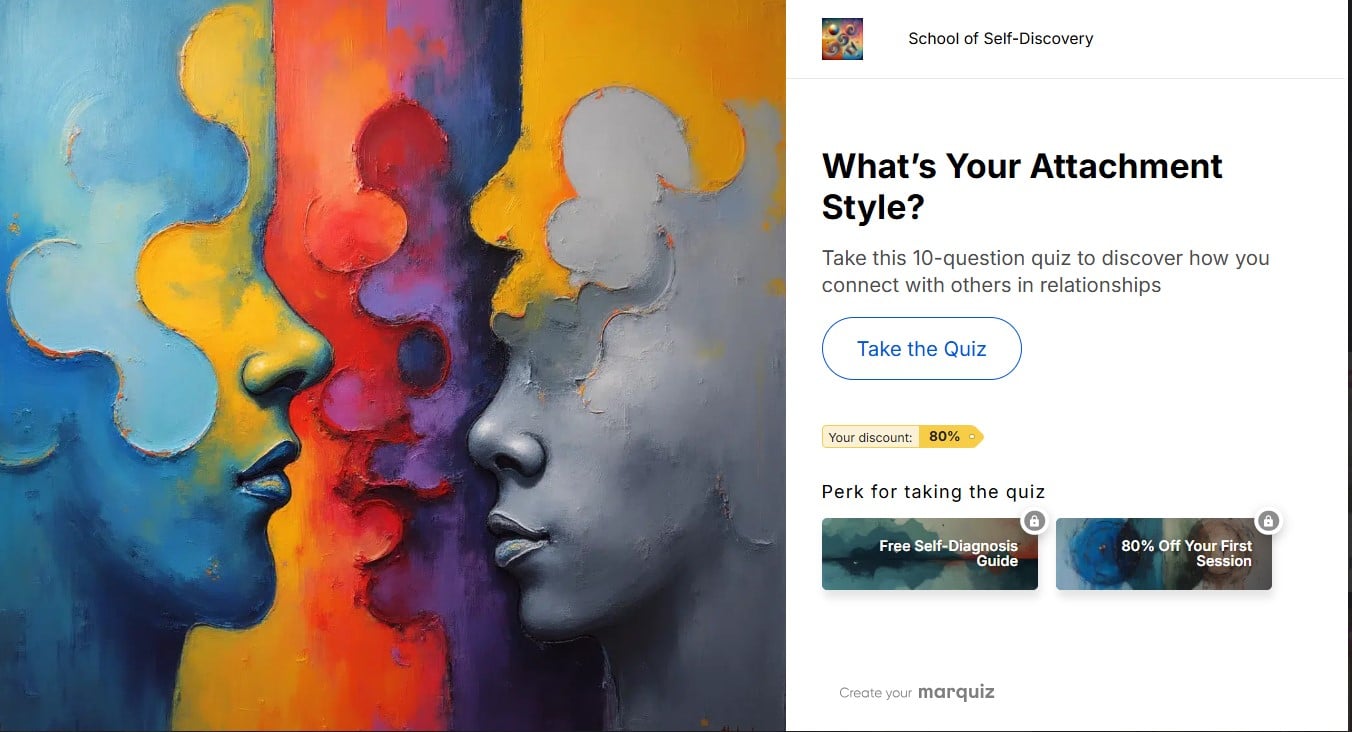
Browsers don’t want commitment — discovery quizzes feel light, fun, and exploratory. You can find plenty of ready-made templates at marquiz.io.
Loyal Customers
Recognition matters most here. Personalized retention steps, early access, and loyalty rewards strengthen their sense of belonging. Invite them into advocacy programs or referral flows, because they’re often willing to share their experience naturally.
Impulse Buyers
Impulse buyers make decisions quickly, so timing and emotion are everything. Use short, high-impact messages, strong visuals, and clear next steps. Micro-moment optimization helps capture intent at the precise point they’re ready to act.
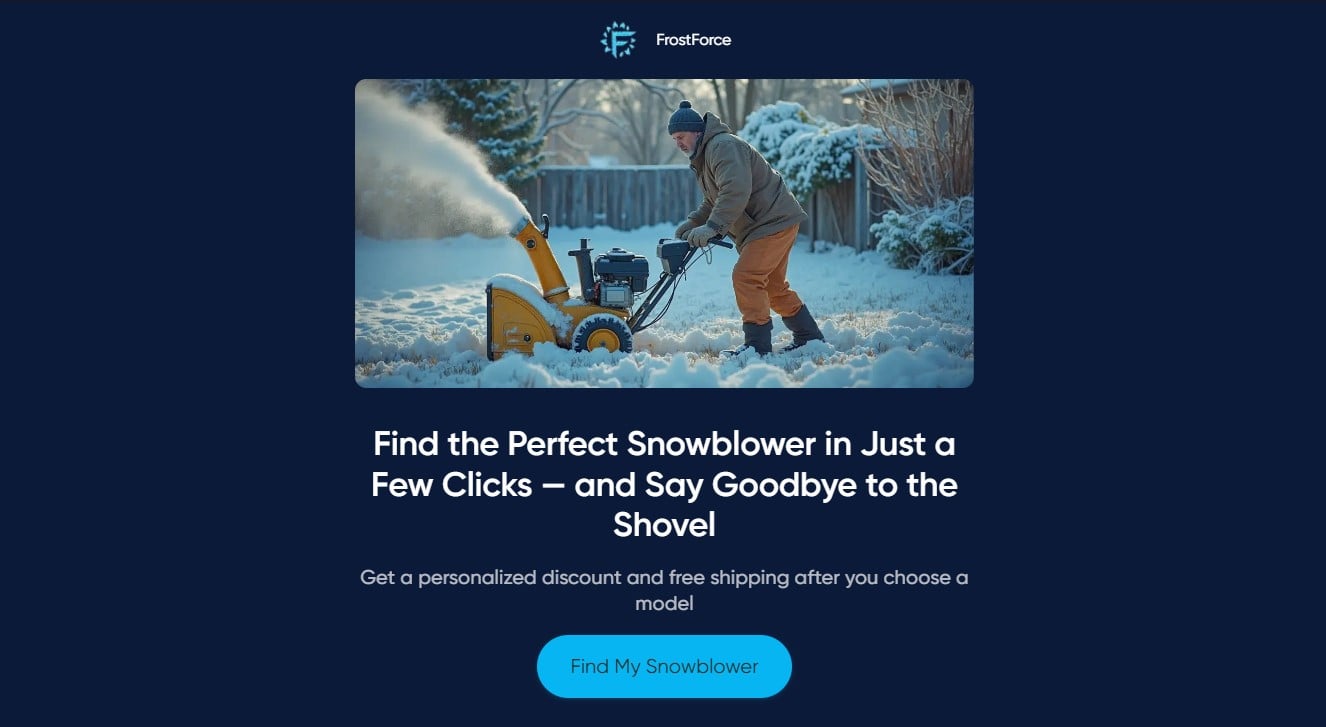
Impulse buyers act quickly. They respond best to very short quizzes with high-impact visuals and fast results.
Discount Seekers
Lead with value. Show savings early, highlight bundles, and make price advantages easy to spot. Time-sensitive offers and clear explanations of cost-versus-benefit strengthen their motivation triggers.

A quiz that helps discount seekers see max value or best deal builds confidence and speeds decisions.
Informed or Research-Heavy Customers
Give them depth. Provide whitepapers, comparison tables, and thorough product breakdowns. They appreciate structured logic and respond well to tools that help them evaluate options clearly.
Angry or Frustrated Customers
Meet them with a calm, steady customer handling approach. Be transparent, acknowledge the issue, and outline concrete steps. Proactive communication helps ease tension and rebuild trust.
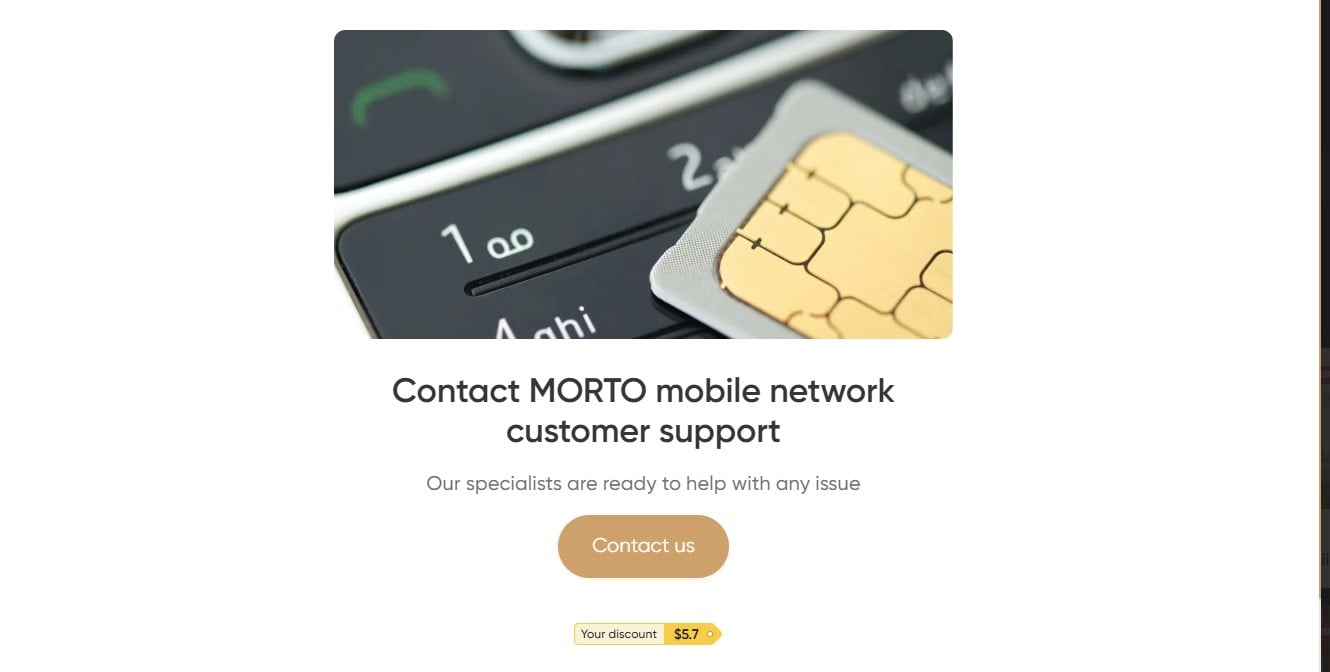
A short support-routing quiz gives frustrated customers clarity and an immediate next step.
First-Time Customers
Guide them step by step. Context-rich onboarding, simple channels, and supportive explanations make early interactions feel safe. Quizzes that map out needs or recommend a starting point help reduce uncertainty and empower their decision-making.
B2B Customer Types
- Large Partners: offer tailored solutions, predictable timelines, and dedicated channels.
- Old-School Clients: rely on traditional communication; phone calls and guided demos work well.
- Individual Entrepreneurs: value speed; keep onboarding simple and highlight time-saving outcomes.

This diagnostic quiz helps B2B clients quickly assess risks and move toward the right solution.
Strategies for Modern Customer Types
Digital-First Customers
Prioritize speed and clarity. Mobile-first flows, instant responses, and frictionless navigation keep them engaged. Use interactive tools or quick quizzes that deliver personalized outcomes in seconds.
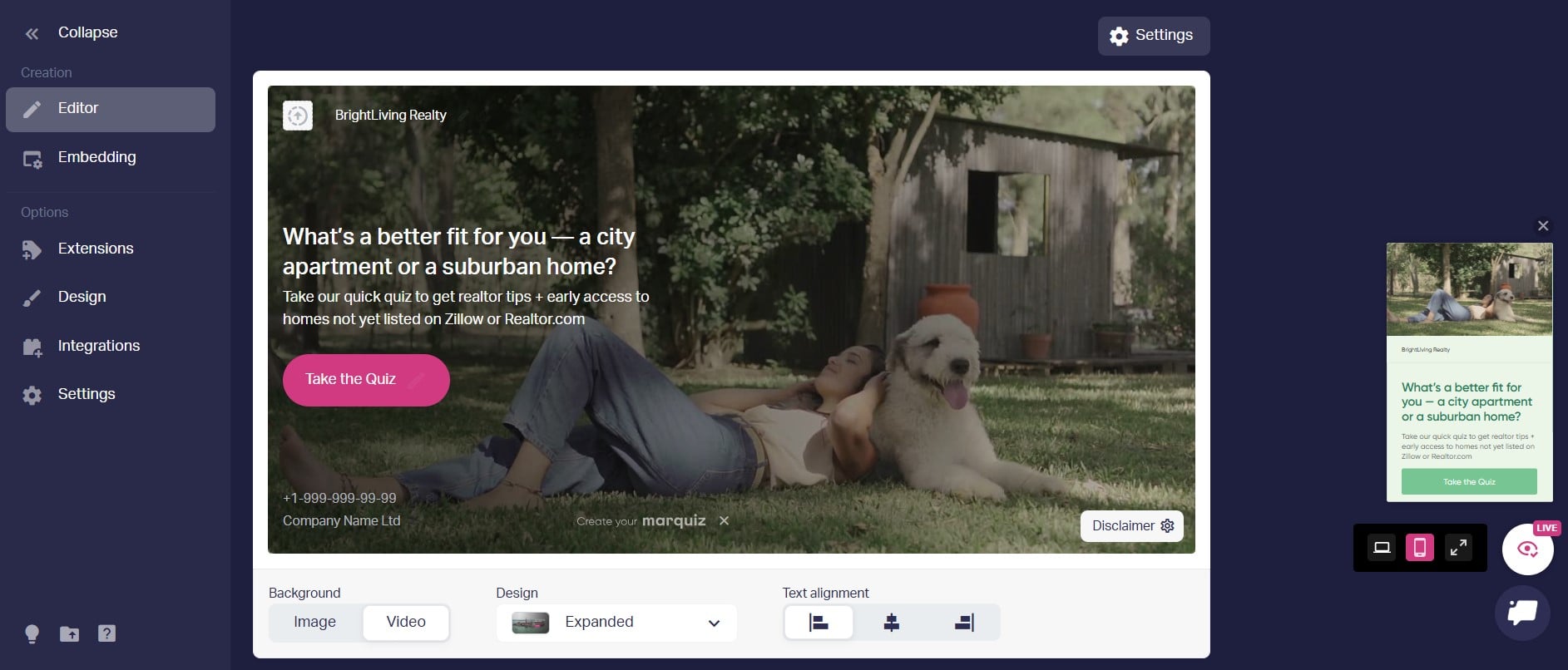
Marquiz shows you the desktop and mobile versions of your quiz as you build it, so you can optimize instantly for digital-first customers.
Self-Service Customers
Give them full autonomy. Provide searchable resources, structured FAQs, and self-guided diagnostics. A quiz that identifies issues or recommends solutions supports their preference for independence.
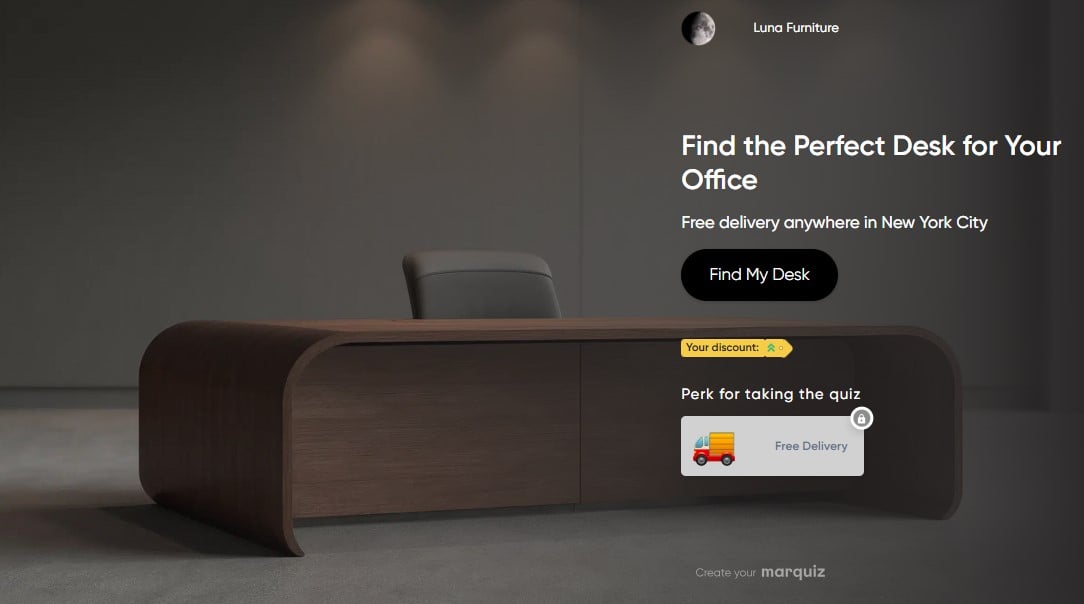
“Find your perfect product” quizzes are ideal for self-service customers because they offer guidance without any human involvement.
Community-Driven Customers
Show real stories and social proof. Highlight user-generated content, peer recommendations, and community opinions. They respond best when they see that people like them have already validated the choice.
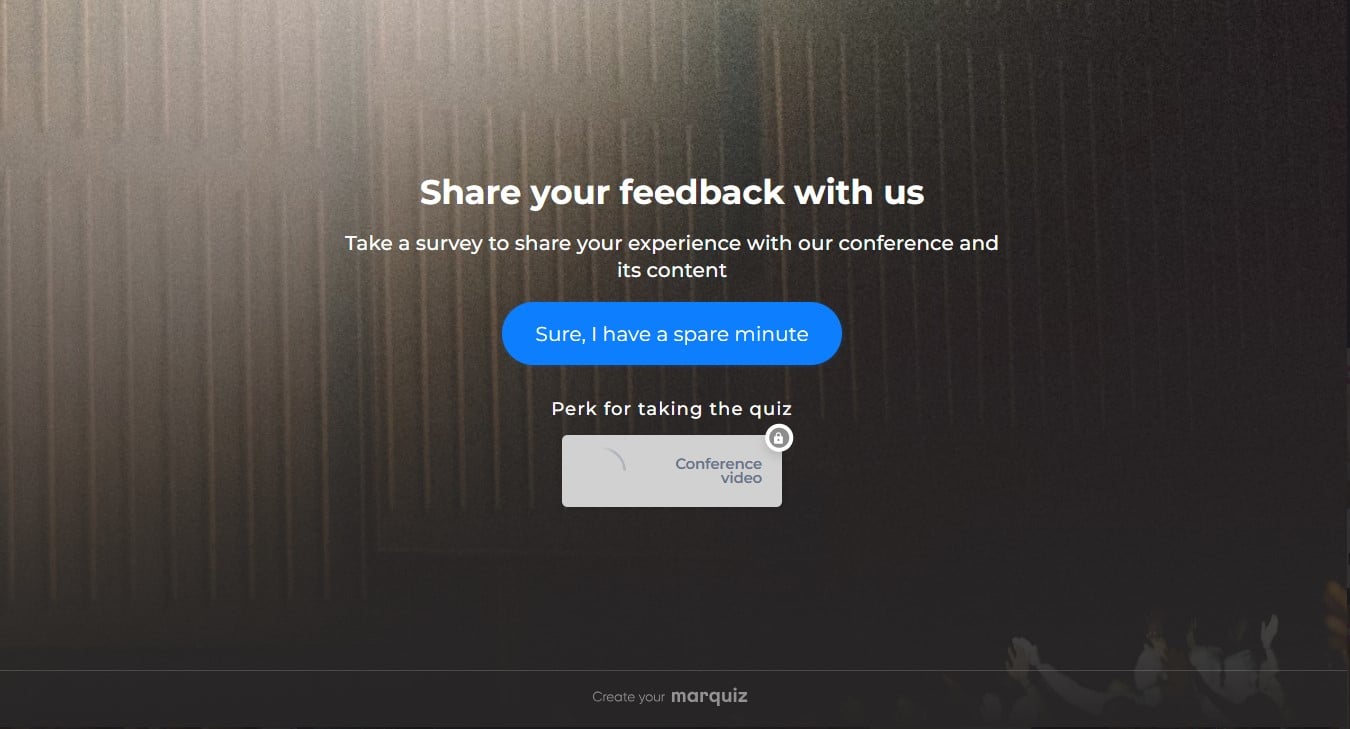
Community-driven customers trust real opinions. Feedback-collection quizzes capture the stories and insights they rely on.
Sustainability-Focused Customers
Emphasize transparency and long-term impact. Share clear information about responsible practices, material choices and ethical standards. They engage more deeply when they can trace how their decisions contribute to a positive outcome for the environment or community.
Pitfalls & Mistakes to Avoid
Working with customer types brings clarity, but a few familiar mistakes can make the process feel less effective than it should be.
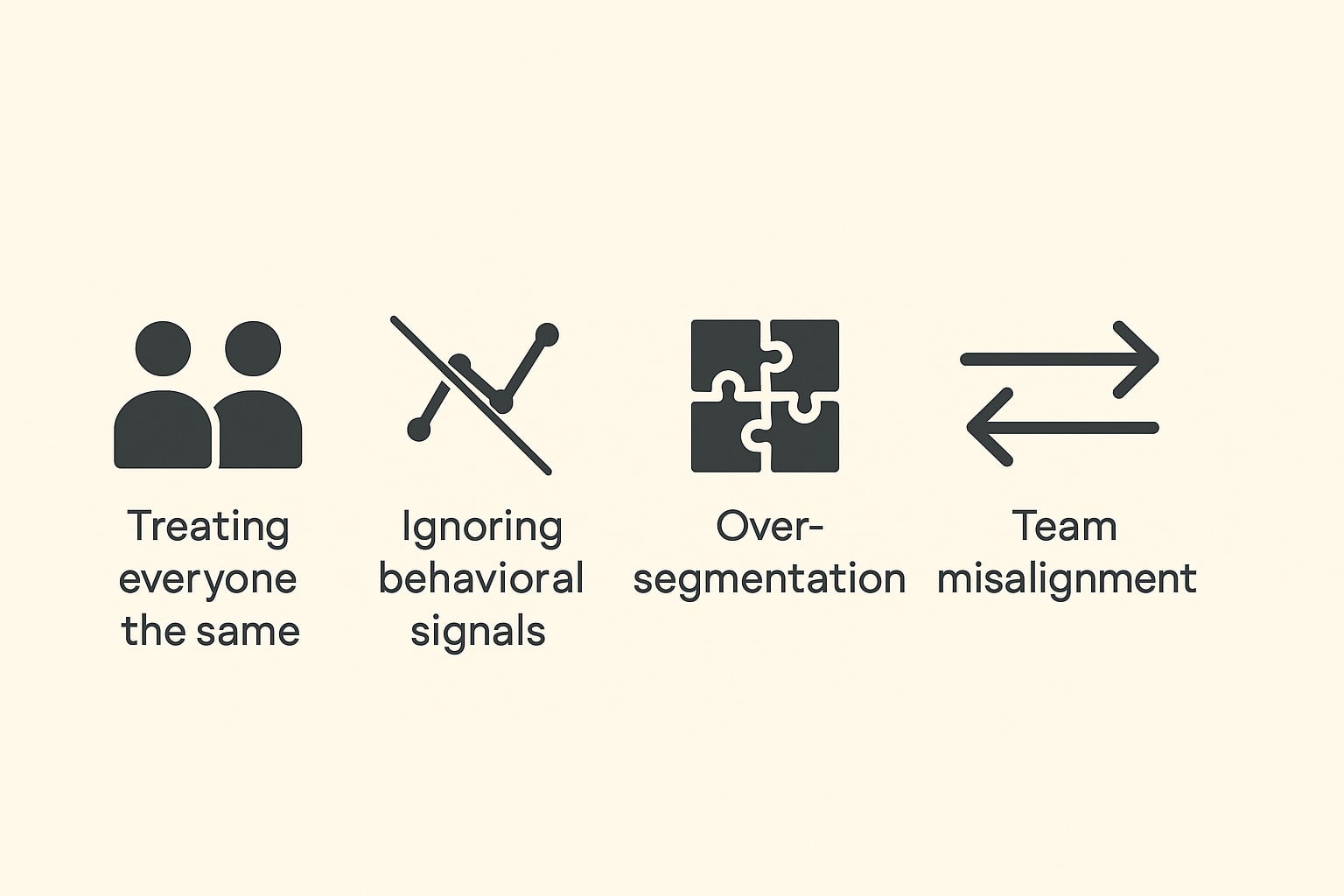
These are the patterns worth noticing early:
- Treating all customers the same. When everyone receives the same message, the small differences in how people think, feel and decide tend to disappear. The experience becomes generic rather than supportive, and it becomes harder to guide someone in a way that fits their real mindset.
- Ignoring behavioral data and emotional context. Every pause, return visit or abandoned step carries meaning. Emotional cues matter as well. Hesitation, frustration or curiosity all influence how a person responds. If these signals go unnoticed, even thoughtful communication may fail to connect.
- Over segmenting and losing simplicity. It is easy to divide audiences into many small categories, but too much segmentation creates complexity without adding value. Simpler, behavior based groups reveal clearer patterns and help the message feel natural and easy to follow.
- Not aligning internal teams such as sales, marketing and support. Customers experience a brand as one continuous journey. If internal teams operate with different definitions of customer types or speak in very different ways, people notice the inconsistency. A shared understanding helps the experience feel steady, predictable and trustworthy.
Keeping these points in mind helps the whole process stay focused, realistic, and genuinely helpful for both teams and customers.
Measuring Success & Refining Your Approach
Evaluating how each customer type responds gives you a clearer picture of which parts of the customer journey work well and which areas need adjustment. Since every segment behaves differently, it helps to track metrics that reflect how each type moves through decisions. The most useful signals include:
- Retention rate – shows whether first-time customers return and whether loyal customers stay engaged
- Repeat purchase behavior – highlights segments that naturally come back, such as impulse buyers, loyal customers, or sustainability-focused groups
- Satisfaction score (CSAT) – reveals how well the experience supports informed customers who value clarity and frustrated customers who need steady communication
- Resolution time – important for digital-first and self-service customers who expect quick progress and minimal friction
These metrics matter because they show trust, comfort, and momentum for each type rather than blending everyone together.
A/B testing is a practical way to refine your approach based on real behavior. Instead of testing one variation across the entire audience, run experiments within individual segments. Useful A/B testing approaches include:
- Testing message length for impulse buyers and browsers to see whether short prompts or richer explanations work better
- Testing depth of information for informed customers, such as a comparison table versus a detailed article
- Testing mobile flow variations for digital-first customers to identify which path reduces drop-off
- Testing different pacing or tone for first-time customers to see which version feels more reassuring
- Testing value framing for discount seekers, comparing savings-first wording with long-term value positioning
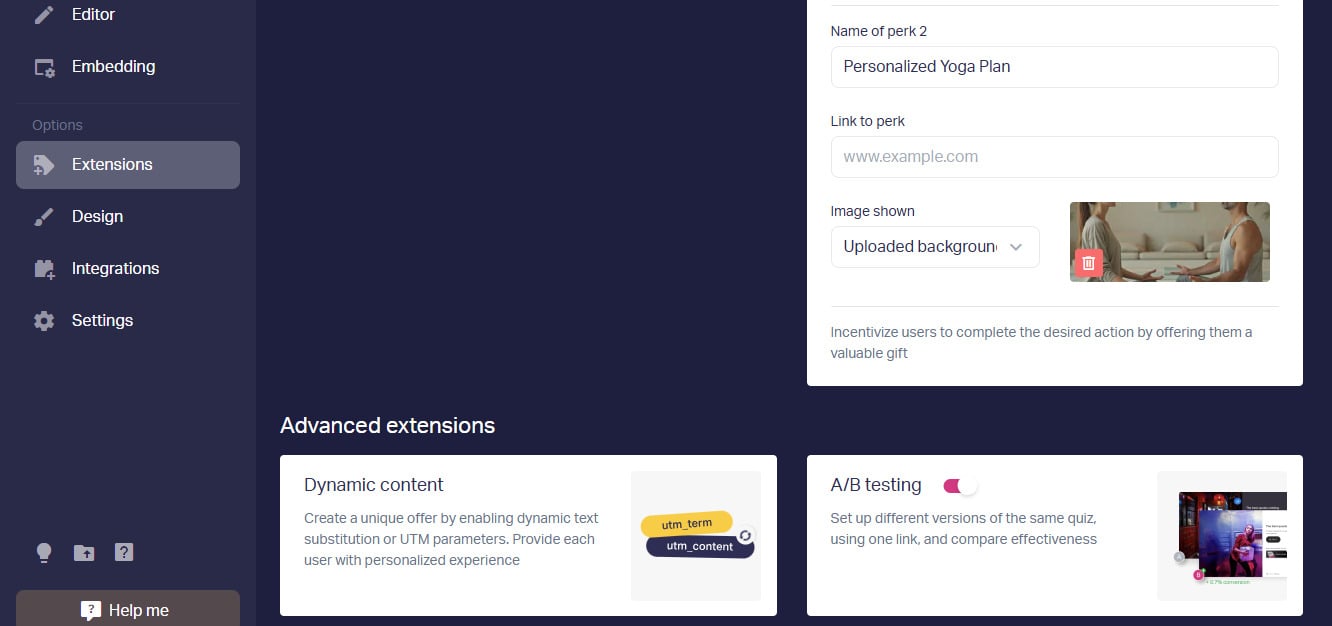
Marquiz offers a built-in A/B testing tool for comparing quiz versions. You can learn how to set up A/B tests in our knowledge base.
What you learn from these experiments should feed continuous refinement. As patterns shift, scripts, onboarding steps, and messaging should shift as well. Some groups rely on clarity and reassurance, others on speed and simplicity. Updating customer communication channels and keeping the way you communicate consistent across segments makes the journey feel more predictable and easier to navigate.
Key Points to Remember
To put everything into perspective, here are the core principles that matter most when working with customer types.
- Customer type classification strengthens personalization and helps improve retention.
- Segmentation and identification should follow each customer lifecycle stage to keep communication relevant.
- Communication channels and context need to match the way each type prefers to interact.
- Motivation triggers and emotional segmentation shape the way people form purchase intent.
- Data-informed personalization and quizzes reveal what different groups respond to and help refine your strategy.
- Supporting customer empowerment builds confidence and naturally encourages loyalty and brand advocacy.
A thoughtful approach to customer types turns communication from guesswork into a system that adapts, improves, and creates lasting results.